What a Hands-On Roof Inspection Actually Reveals
A roof can look totally fine from the street. That's the problem. What you can't see from the ground is exactly what ends up costing homeowners the most - granule loss, failing shingles, compromised decking, and weak points around penetrations like vents and skylights. By the time water shows up inside the house, the damage has usually been building for a while.
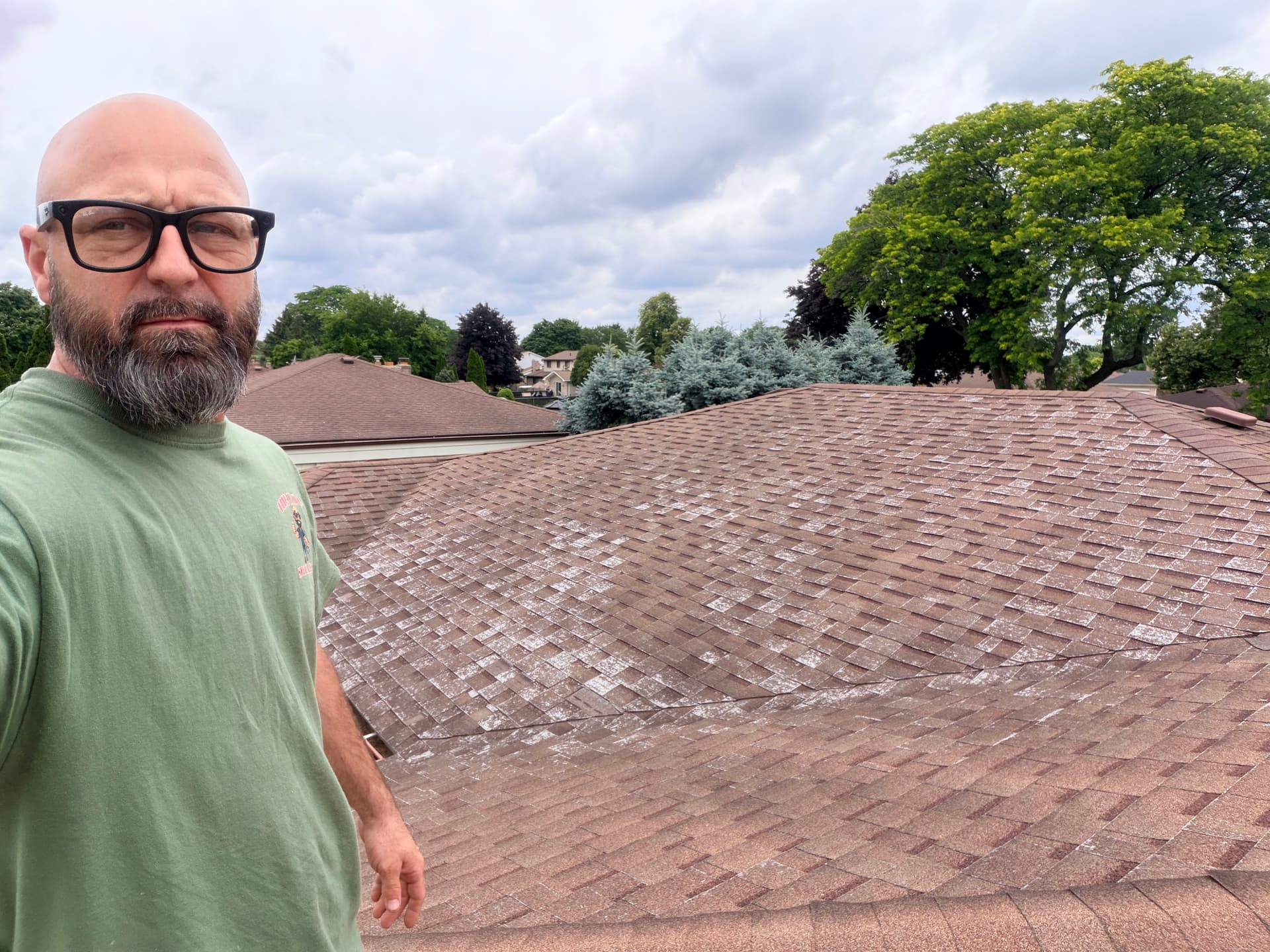
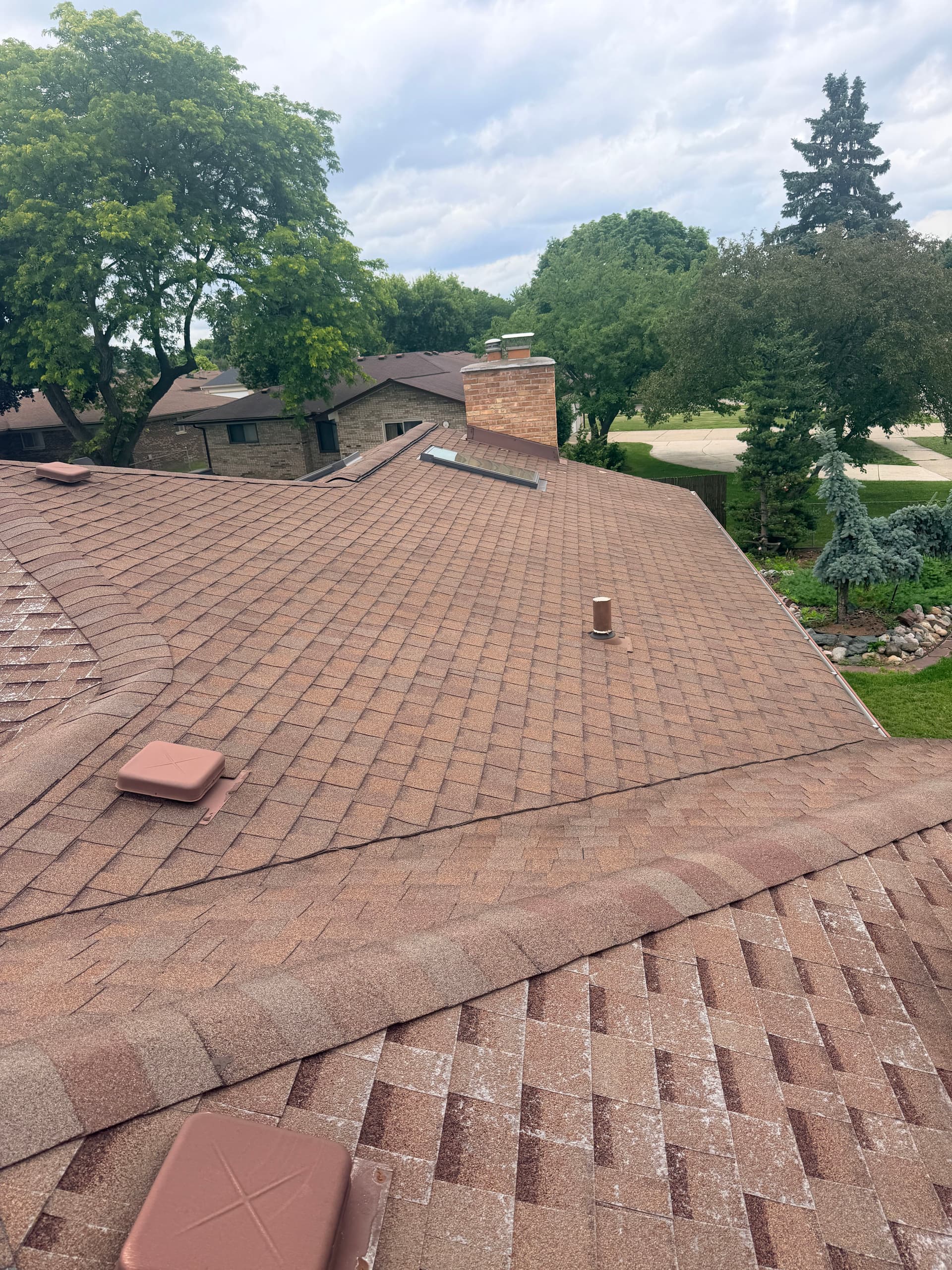
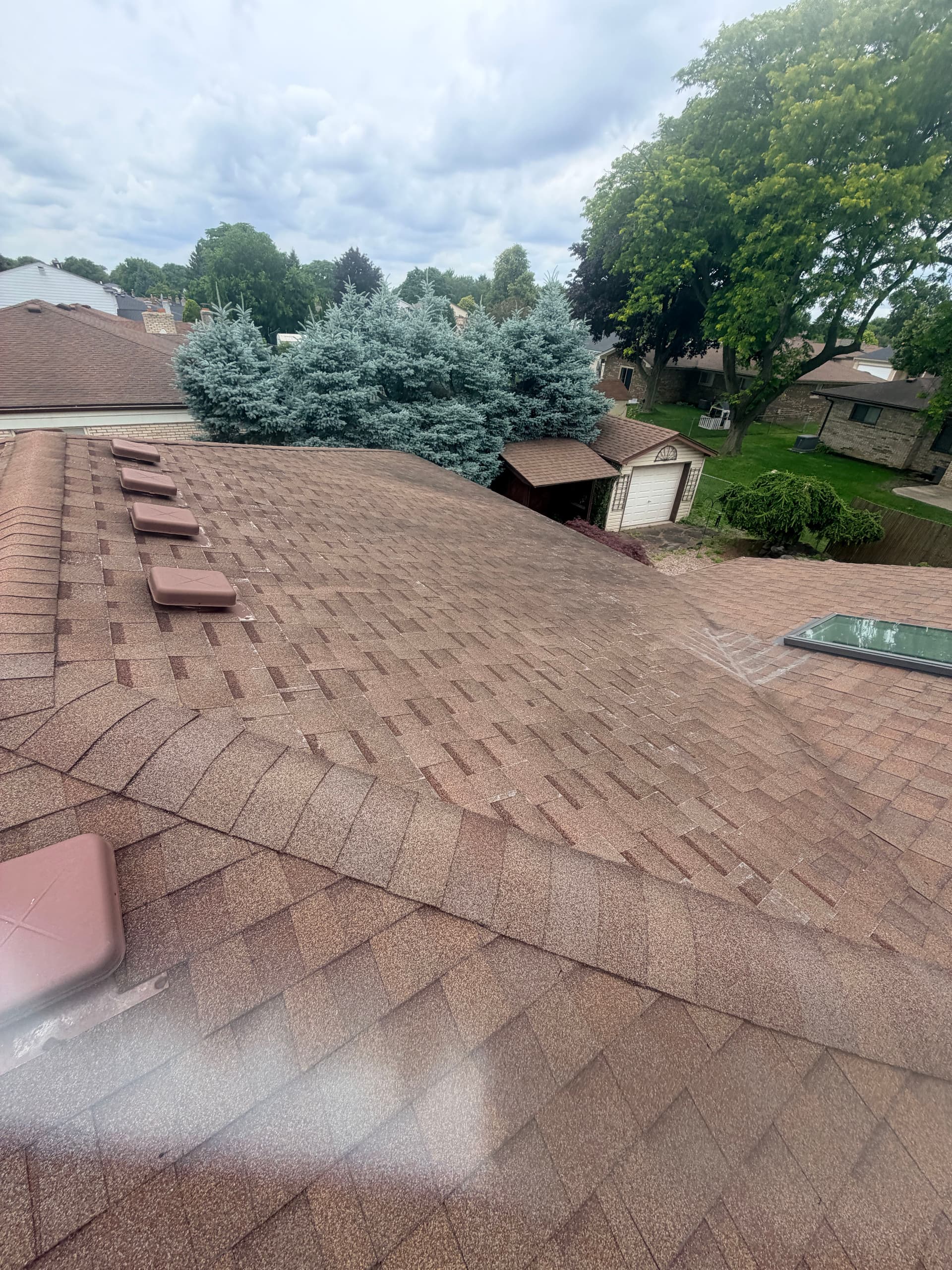
That's why we actually get up there. Every inspection we do is hands-on. We're walking the roof, checking shingle condition, looking at how many layers are already up there, and assessing the decking underneath. We're also checking every penetration point - pipe boots, vents, skylights, chimney flashing - because that's where failures tend to start. No guessing from a ladder, no assumptions.
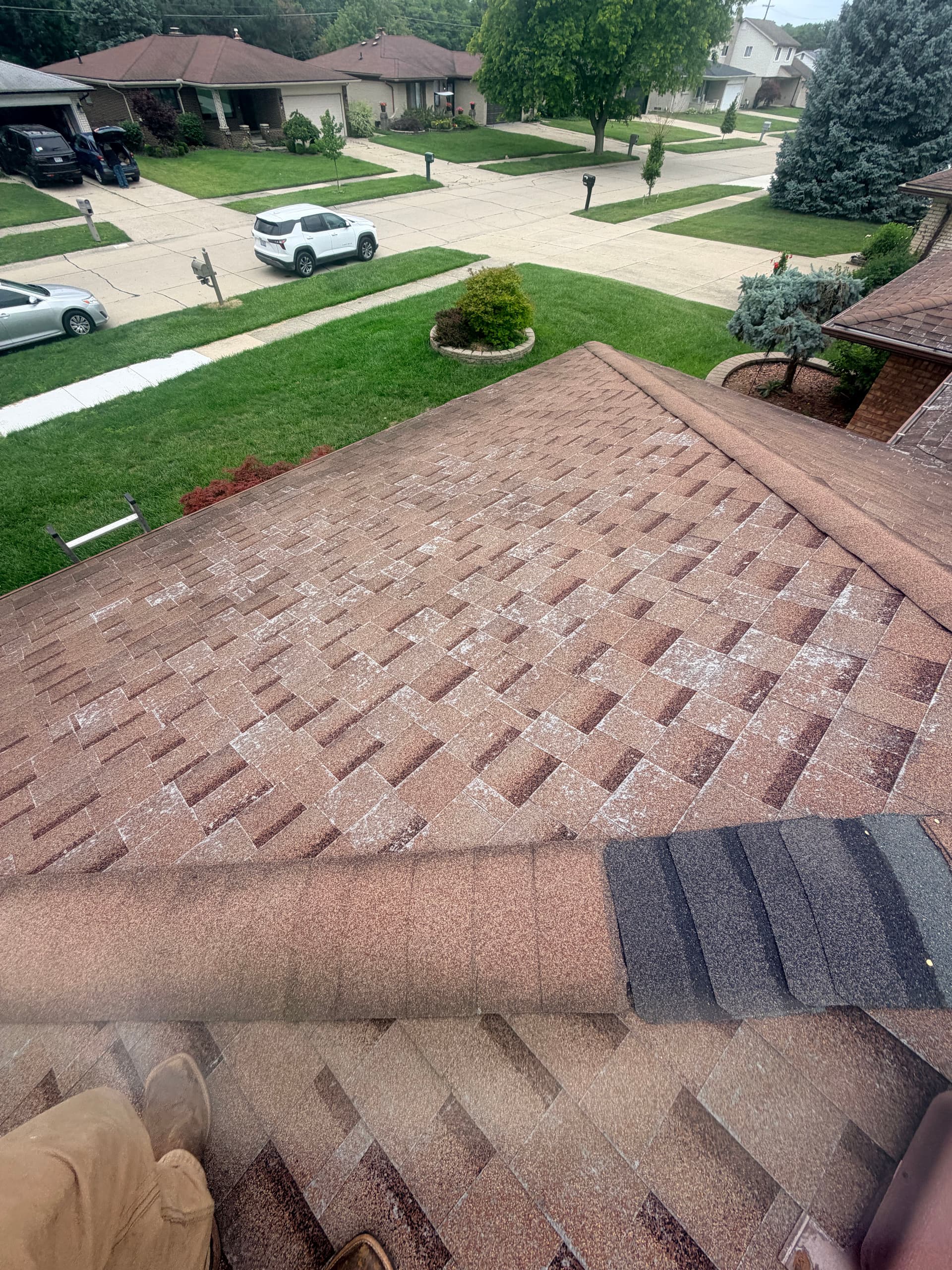
The granule loss visible across this roof is a good example of something that reads as minor from the ground but tells a real story up close. Heavy granule loss means the shingles are losing their UV and weather protection. That's a roof that's working toward failure, not away from it. Catching it early is the difference between a repair conversation and a full replacement conversation.
We also back every inspection with drone footage. It gives the homeowner a clear, documented view of the roof's condition - and it gives us a second set of eyes on areas that are harder to reach directly. Real answers come from a real inspection, and that means combining boots-on-the-roof evaluation with aerial documentation. That's just how we do it.
If your roof is raising questions - maybe after a storm, or you just haven't had it looked at in a few years - a proper inspection is the right starting point. Not a guess. Not a drive-by quote. An actual assessment that tells you what you're working with.